
Stop Guessing: The Clear Difference Between High-Risk vs. Low-Risk Processing

Payment processing terms vary significantly based on whether your business is classified as high-risk or low-risk. This classification affects your fees, cash flow, and account stability. Here’s a quick breakdown:
- High-risk processing is for businesses prone to chargebacks, fraud, or regulatory scrutiny (e.g., CBD, travel, online gaming). These businesses face higher fees, slower payouts, and stricter terms like rolling reserves.
- Low-risk processing applies to businesses with stable operations, low chargeback rates, and predictable transactions (e.g., retail, healthcare). They benefit from lower fees, faster payouts, and easier account setups.
Key Differences:
- High-risk: Higher fees, rolling reserves, longer settlement times, detailed underwriting.
- Low-risk: Lower fees, faster payouts, minimal reserves, simpler approvals.
Your industry, chargeback rates, and transaction patterns determine your risk level. High-risk businesses can manage challenges by reducing chargebacks, maintaining clear records, and leveraging specialized services like RiskPay’s instant USDC payouts.
Understanding your risk category is essential for choosing the right payment processor and maintaining financial stability. Whether you’re high-risk or low-risk, align with a processor that fits your needs.
High-Risk Merchant Account: Do YOU Need One?
How Businesses Are Classified as High-Risk or Low-Risk
Understanding how businesses are classified as high-risk or low-risk is key to finding the right payment solutions. Payment processors rely on a range of data points and industry insights to determine your business’s risk level. Let’s break down the main factors they consider.
Industry Types and Classifications
Your industry often plays a big role in determining your risk classification. Certain industries are more prone to chargebacks, fraud, or strict regulations. For instance, businesses in sectors like CBD, travel, and online gaming are often labeled as high-risk. On the other hand, industries such as grocery stores, healthcare, and professional services are typically considered low-risk.
Low-risk industries often include traditional retail stores, accounting or legal firms, restaurants, educational institutions, and healthcare providers. These businesses generally sell essential goods or services, have predictable delivery timelines, and face fewer disputes. For example, grocery stores and pharmacies are seen as low-risk because they deal in everyday essentials with clear delivery expectations and minimal chargeback issues.
Chargeback Rates and Business History
Chargeback rates are a key metric for payment processors. This ratio reflects the percentage of disputed transactions compared to your total transaction volume. High chargeback rates often land businesses in the high-risk category, while lower rates can make a business more appealing to processors.
Your business history also carries weight. New businesses without an established track record often start out as high-risk, regardless of their industry. Processors evaluate factors like how long you’ve been in business, your credit history, and the performance of any previous merchant accounts. A history of consistent revenue and strong credit signals stability, while seasonal or unpredictable income patterns can increase perceived risk. Past issues, such as account closures or being flagged on industry alert systems like the MATCH (Member Alert to Control High-Risk Merchants) list, can also affect your classification significantly.
Transaction Types and Volumes
The way you process payments matters. Transactions that are card-not-present or international typically carry more risk because they lack physical verification and may involve currency complications.
High transaction volumes or large individual payments can also raise concern, especially if they appear unusual for your business type. Payment methods play a role too – offering subscriptions, payment plans, or alternative payment options might invite extra scrutiny. Additionally, delayed fulfillment, which is common in industries like travel bookings, event tickets, or pre-orders, can elevate risk levels. Payment processors also watch for unusual patterns, such as sudden spikes in transaction volume, transactions from unexpected locations, or a high number of declined payments. These can indicate potential fraud or operational issues, further influencing your risk profile.
Main Differences Between High-Risk and Low-Risk Processing
Let’s break down how processing terms differ when comparing high-risk and low-risk merchant accounts. The table below outlines key contrasts in financial and operational aspects:
| Aspect | Low-Risk Processing | High-Risk Processing |
|---|---|---|
| Processing Fees | Lower | Higher |
| Monthly Fees | Minimal or none | Typically elevated |
| Setup Fees | Lower or waived entirely | Higher upfront costs |
| Settlement Time | Faster (often within a couple of days) | Slower, with longer settlement periods |
| Rolling Reserves | Rare or minimal | Common, with a portion of sales held in reserve |
| Contract Length | Short-term or flexible | Often requires longer commitments |
| Chargeback Fees | Lower fees for disputes | Higher fees for chargebacks |
| Application Process | Quick and straightforward | More detailed and time-consuming |
| Account Stability | Stable with high approval rates | Subject to stricter scrutiny and regular reviews |
Financial and Operational Impacts
These differences go beyond just numbers – they can directly impact how your business runs day-to-day.
- Cash Flow Challenges: High-risk merchants often deal with slower settlement times and rolling reserves, which can tie up funds and limit cash flow.
- Pricing Adjustments: Businesses in high-risk categories may need to account for higher fees and reserves by revisiting their pricing strategies or maintaining larger cash reserves.
- Operational Flexibility: Low-risk merchants typically enjoy more freedom to switch payment processors or renegotiate terms. In contrast, high-risk businesses often face longer contracts and more complex approval processes, limiting their options.
These distinctions call for tailored strategies to effectively manage risks while maintaining financial stability.
sbb-itb-16c71f6
How U.S. Businesses Can Identify and Manage Their Risk Profile
Understanding your business’s position in the payment processing world isn’t about guesswork – it’s about knowing the key factors that define your risk category. Once you’ve got a handle on your profile, you can take steps to tackle challenges and streamline your payment operations.
Determining Your Risk Profile
To figure out your risk profile, start by looking at your industry, transaction habits, and history. Check your industry classification through the MCC (Merchant Category Code) system. Certain industries, like CBD, travel booking, or gaming, often land in the high-risk category.
High chargeback ratios are another red flag. If your business handles high transaction volumes or processes larger individual payments, you’re likely to face more scrutiny.
Operating in regions prone to fraud or running an online-only business can also increase your risk. Additionally, your business history matters – a new company without a solid processing record or one with account issues or poor credit is more likely to be labeled as high-risk. Models involving future delivery, like event tickets or travel bookings, can add to the risk. Taking a close, honest look at these factors helps you prepare for the challenges that come with being high-risk.
Managing High-Risk Processing Challenges
Once you’ve identified your risk profile, it’s time to tackle the challenges head-on. For high-risk businesses, keeping chargebacks in check is crucial. Use clear billing descriptors on customer statements to avoid confusion, and ensure your customer service team is accessible and responsive to address issues before they escalate.
Leverage fraud prevention tools like AVS (Address Verification Service), CVV checks, velocity filters, and 3D Secure to protect your transactions from fraudulent activity.
Keep thorough records of all transactions, communications, and delivery confirmations. If you operate a subscription-based model, ensure your cancellation policies are clear, and keep signed contracts, terms of service agreements, and proof of delivery for an appropriate amount of time.
Financial management plays a big role in navigating high-risk challenges. Be prepared for reserve requirements and slower settlement times by maintaining a healthy cash reserve. If you consistently show low chargeback rates over time, you may even be able to negotiate better reserve terms with your processor.
Stay transparent and maintain open communication with your payment processor. Provide detailed documentation during the application process and keep them in the loop about any business changes, marketing campaigns, or seasonal fluctuations. This can help avoid unexpected account reviews or holds.
Lastly, monitor your key metrics regularly – things like chargeback ratios, refund rates, and transaction approval rates. Set up alerts for when these numbers start to climb so you can act quickly and prevent issues from getting out of hand. Keeping an eye on these metrics helps you stay ahead of potential problems.
RiskPay: Payment Solutions for High-Risk U.S. Businesses

High-risk businesses face unique hurdles, especially when it comes to payment processing. RiskPay steps in with solutions specifically tailored to these challenges, offering tools that improve cash flow and simplify compliance.
RiskPay focuses on industries often considered high-risk, including medical services, travel booking, CBD, gaming, and digital subscriptions. These sectors frequently encounter obstacles that require specialized support to thrive in today’s digital economy. Here’s a closer look at how RiskPay helps tackle these challenges with its innovative features.
RiskPay Features for High-Risk Merchants
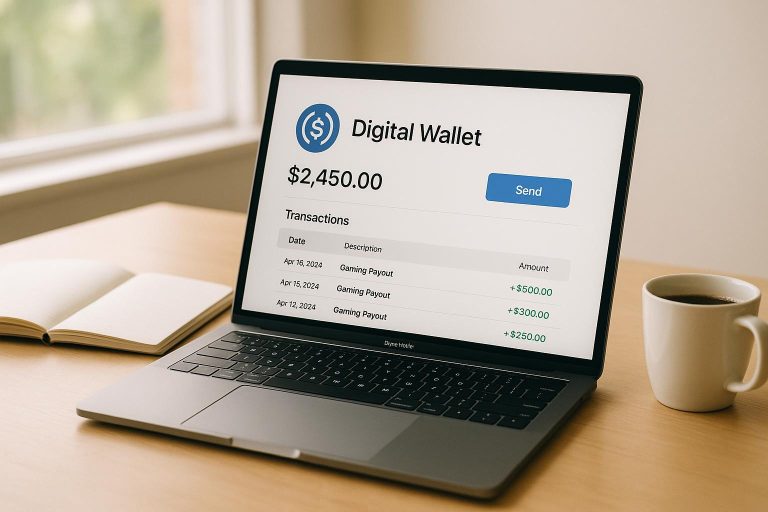
One of RiskPay’s standout offerings is its instant USDC payout system via the Polygon network. Unlike traditional banking, which can take days – or even weeks – to clear payments, this cryptocurrency-based method ensures immediate access to funds. Payments are settled in USDC, which you can either convert to dollars or use directly for business needs. This feature directly addresses the cash flow bottlenecks that often plague high-risk businesses.
RiskPay also integrates seamlessly with WooCommerce, allowing e-commerce businesses to start accepting payments without delay. Additionally, it provides the option to generate anonymous payment links, bypassing lengthy KYC processes that can slow operations.
The platform supports a wide range of payment methods, ensuring accessibility for various customer preferences. It also maintains PCI DSS compliance and employs advanced fraud protection tools to reduce chargebacks and safeguard transactions.
How RiskPay Addresses High-Risk Processing Problems
High-risk businesses often struggle with delayed settlements and frozen funds, which can cripple cash flow. RiskPay resolves these issues with its instant USDC payouts, eliminating the waiting periods and reserved funds that traditional processors impose. Research indicates that chargebacks and frozen funds can drain 5% to 20% of revenue in high-risk industries through disputes and delays. By leveraging the Polygon network for cryptocurrency transactions, RiskPay eliminates these settlement delays and mitigates chargeback risks.
"Fraud Protection: Minimize chargebacks and secure your transactions." – RiskPay
Another advantage of cryptocurrency transactions is their irreversible nature, which prevents customers from disputing completed payments through traditional chargeback mechanisms. This ensures businesses have immediate and uninterrupted access to their funds.
RiskPay also simplifies compliance requirements that often overwhelm high-risk businesses. While its onboarding process doesn’t require KYC documentation, the platform performs customer verification when necessary during checkout. This strikes a balance between meeting regulatory needs and maintaining operational efficiency.
"PCI DSS Compliant: Ensuring top-tier, uncompromised data security." – RiskPay
For businesses dealing with rolling reserves or account holds, RiskPay offers a solution by providing instant payouts without any rolling reserves. This gives businesses full control of their revenue, eliminating the frustration of extended fund holds. With its non-KYC merchant application process, RiskPay removes another barrier, making it quicker and easier to start processing payments.
Conclusion: Choosing the Right Payment Processing for Your Business
Figuring out whether your business falls into the high-risk or low-risk payment processing category is more than just a label – it directly impacts your cash flow, fees, and overall efficiency. Your risk profile plays a crucial role in determining processing costs, payment timelines, and the types of solutions available to you.
High-risk businesses often face challenges like higher fees and longer settlement periods. However, with the right payment partner, these hurdles can be managed effectively. For example, modern solutions like RiskPay offer instant USDC payouts, which can help high-risk merchants sidestep cash flow delays. This kind of tailored approach is designed to address the unique needs of high-risk sectors, making it easier to navigate common obstacles like rolling reserves and strict compliance requirements.
If your business operates in a regulated industry or deals with frequent chargebacks, choosing a processor with strong fraud prevention tools and PCI DSS compliance is essential. These features help protect your business while ensuring smoother operations.
On the other hand, low-risk businesses enjoy fewer restrictions, but that doesn’t mean there’s no need for careful planning. Even if your business is considered low-risk, factors like increasing transaction volumes or expanding internationally should guide your choice of payment processor.
Ultimately, understanding and managing your risk category is key to finding the right payment solution. Whether you’re high-risk or low-risk, prioritize processors that offer clear pricing, dependable customer support, and features that align with your business goals. The right choice can help you streamline operations and set the stage for growth.
FAQs
What steps can a business take to lower its risk classification from high-risk to low-risk in payment processing?
Reducing a business’s risk classification requires tackling the elements that contribute to being labeled as high-risk. Key steps include maintaining a low chargeback ratio, ensuring steady and predictable transaction patterns, and adopting strategies that minimize fraud and disputes.
Another factor to consider is the industry your business operates in. Some industries are inherently viewed as more stable or less susceptible to fraud. While not every business can shift to a low-risk classification, taking proactive steps like implementing robust fraud prevention tools, enhancing customer satisfaction, and maintaining clear and transparent payment processes can go a long way in lowering risk and improving relationships with payment processors.
What are some effective ways high-risk businesses can reduce chargebacks and maintain financial stability?
High-risk businesses have a few key strategies they can use to cut down on chargebacks and improve their financial footing. One of the first steps is to use effective fraud prevention tools like 3D Secure authentication, address verification systems (AVS), and real-time transaction monitoring. These tools can help identify and block fraudulent activities before they turn into chargebacks.
Another important step is maintaining clear communication with customers. Make sure product descriptions are detailed, pricing is transparent, and terms of service are easy to understand. Sending accurate invoices and receipts after every transaction can also help set the right expectations and reduce the chance of disputes.
Finally, keeping organized transaction records – including receipts, shipping details, and customer communications – can make it easier to handle disputes when they arise. By staying proactive with chargeback management, businesses can ensure smoother operations and protect their financial stability.
How does choosing the right payment processor affect the success of high-risk and low-risk businesses?
Choosing the right payment processor can have a big impact on your business’s financial health and how smoothly it runs – especially if your business is considered high-risk or low-risk.
For high-risk businesses – like those in the CBD, travel, or gaming industries – payment processors usually charge higher fees, enforce stricter terms, and might require rolling reserves. These reserves can tie up cash flow, making it harder to maintain profitability. High-risk businesses also face challenges like potential chargebacks and regulatory hurdles, so they need processors with specialized solutions to handle these issues.
Meanwhile, low-risk businesses, such as retail stores or restaurants, benefit from lower fees, easier onboarding, and fewer restrictions. This means smoother day-to-day operations and more predictable costs, which simplifies financial management.
Choosing a payment processor that matches your business’s risk level can lead to better financial results and fewer headaches.